
Children in foster care do better when they feel safe, known, and connected to people who won’t disappear. But the needs of children and families can get lost beneath acronyms, compliance checklists, and policy jargon far removed from everyday life. So, what works best in foster care? Research consistently points to five key practices: prioritizing kinship care when safe, maintaining placement stability, supporting reunification efforts, providing trauma-informed care, and surrounding families with ongoing community support.
Kinship Care: Why Keeping Children Connected to Family Works
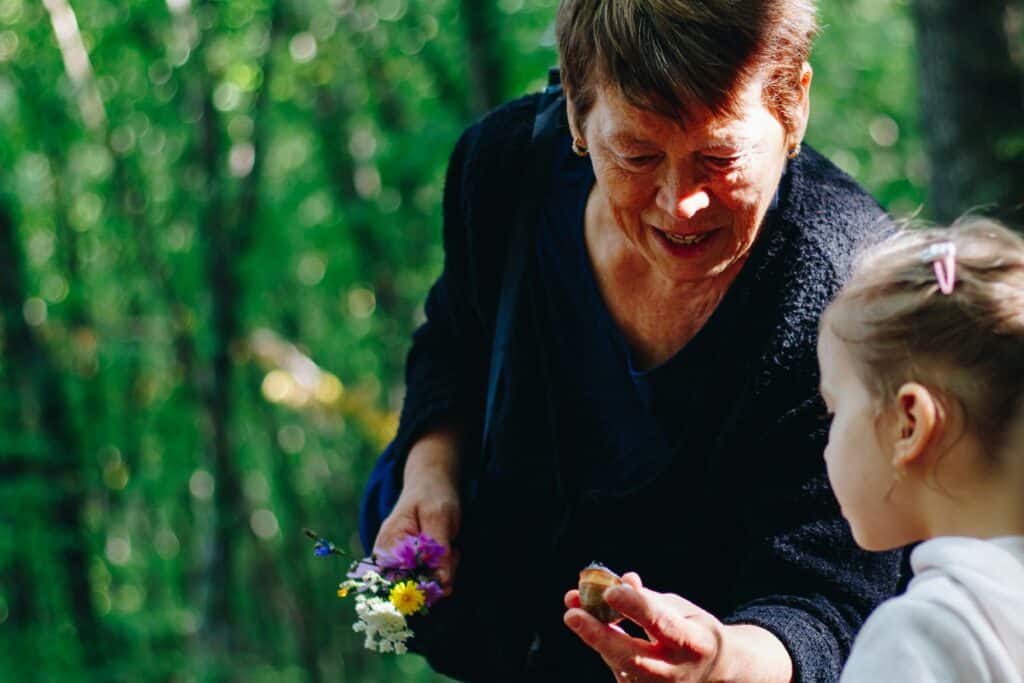
When experts discuss what works best in foster care, kinship care is often at the top of the list. The data agree: Children often experience better outcomes when they can stay with relatives or trusted kin. Think grandparents, aunts, older siblings, or close family friends, people who have a social history with the child or children entering foster care.
Known as kinship care or kinship placement, this approach consistently improves long-term outcomes for children in foster care. Research links kinship care to greater placement stability and lower risk of disruption when supports are in place. For children in foster care, that often translates to fewer moves, fewer school changes, and fewer emotional adjustments.
Federal policy reflects this priority as well. A 2023 finalized federal rule allows states to use kin-specific licensing or approval standards, which can reduce unnecessary barriers for relatives stepping up.
Placement Stability and Better Foster Care Outcomes
Placement stability is one of the strongest predictors of long-term well-being for children in foster care. Each move can mean a new school, new rules, new adults, and another round of “tell your story from the beginning.” That kind of churn not only disrupts schedules but chips away at trust.
Systems can strengthen placement stability by:
- Keeping siblings together whenever possible. Sibling connection can anchor identity and reduce trauma during removal and transition.
- Supporting caregivers early, not after burnout starts.
- Matching children with families thoughtfully based on needs, culture, and relationships, not just available beds.
- Building local care communities so foster parents have practical backup through meals, transportation, respite care, tutoring, and emergency assistance.
That last point is often overlooked, but it’s huge. That’s why For Others unites local agencies, services, and resources to equip them to serve families more effectively. No government agency, nonprofit, church, or individual can solve the child welfare crisis alone. Real change happens when we come together, share resources, and help families thrive.
Reunification and Meaningful Support
Another critical component of what works best in foster care is helping families reunify safely whenever possible. Foster care is intended to be temporary, and reunification is often the primary permanency goal when safety can be assured. National outcome data show reunification remains a major exit pathway from foster care.
However, reunification is not a magic fix. Without ongoing relationships and practical assistance, families can find themselves back in crisis. That’s why our holistic approach emphasizes community involvement at every stage, not only while a child is actively in foster care. In fact, our first priority is keeping families together before government intervention becomes necessary. By investing in birth parents and kinship caregivers, we can help preserve families and promote healthy reunification whenever possible.

Trauma-Informed Care
Trauma-informed care is essential for children in foster care, who often face emotional trauma, significant life changes, and mental health challenges. But experts increasingly highlight an overlooked truth: trauma-informed care works best when caregivers and staff receive the same level of understanding and care.
Children need adults who can co-regulate under pressure. Adults need training, respite, peer support, and realistic caseloads to do that well. Otherwise, everyone is dysregulated, and no one wins.
Promising approaches in child welfare include:
- Training foster and kin caregivers in trauma-responsive strategies
- Coordinated behavioral health access, not months-long waitlists
- Cross-system collaboration between child welfare, schools, and healthcare
- Practical, everyday supports such as respite care, transportation assistance, and flexible funding
Building strong systems around caregivers, families, and professionals helps sustain the vital work of child welfare.
Community Support: A Key to Foster Care Success

With more than 300,000 children in foster care across the U.S., this is not a niche issue. It’s a community issue affecting every county, every state, and every kind of neighborhood. That’s why everyone is called to care. Not everyone will foster or adopt, but almost anyone can do something practical.
Here’s how you can help children and families in your community:
- Volunteer with local nonprofits serving foster, kin, and biological families.
- Meet tangible needs through networks like CarePortal.
- Mentor youth.
- Support foster and reunified families with meals, rides, and childcare.
- Advocate for policies that remove barriers for kin caregivers and strengthen child welfare systems.
Ultimately, what works best in foster care is not a single program or policy but a coordinated network of people and resources that helps children, caregivers, and families thrive.
For Others highlights this shared-responsibility model and partners with organizations working across the foster care lifespan, from prevention and placement support to permanency support after court milestones. Our Well-Being Support Ecosystem uses a collective impact approach to create sustainable solutions for families state by state, helping our foster care system function at its very best.
Everyone has a role to play. Find yours and take action in your state to join the mission.
