
Bookstores and libraries provide a large selection of titles for children in foster care, but it can be difficult to know which one to choose. To help narrow it down, we picked our favorites based on reader ratings, application, and overall quality. Each one also reflects a trauma-informed understanding of what a child in foster care actually needs to hear. We hope our list of the best books for children in foster care helps foster families navigate the complexities that may come.
Here are our top books for children in foster care based on reviews, trauma-informed care, applicability, and quality:
- God Loves Kids: A Gospel-Centered Book About Foster Care by Jamie C. Finn
- Kids Need to Be Safe: A Book for Children in Foster Care by Julie Nelson
- Home for a While by Lauren Kerstein
- Maybe Days: A Book for Children in Foster Care by Jennifer Wilgocki and Marcia Kahn Wright
Please note that For Others has not been paid to promote any books on this list, nor do we receive any funds from purchasing via the links on this page. This list is also not exhaustive, as child psychology, child welfare systems, and available resources frequently update.
Why Book Choice Matters for a Child in Foster Care
A book handed to a child at the wrong moment, or written without care, can do more harm than good. That’s why we leaned on trauma-informed care as we built this list. In short, trauma-informed care means recognizing a child’s past experiences and responding in ways that build safety and trust rather than causing more harm. This framework shaped our list as much as ratings or reviews did.
Many children in foster care move between placements more than once, and each move can shake the sense of stability they’re still trying to rebuild. A book can’t undo that instability, but the right one, offered at the right moment, can help a child feel less alone in it.
With that in mind, here are the four best books for children in foster care that we found.
God Loves Kids by Jamie C. Finn

Jamie C. Finn co-founded Foster the Family, an organization that supports foster and adoptive families, and writes from years spent walking alongside children entering care. As a foster and adoptive mom, she understands the child welfare system on a professional and personal level. God Loves Kids speaks directly to a child’s fear and uncertainty with a simple, faith-rooted message: whatever has happened and whatever happens next, they are loved, and they are not alone.
This is a strong choice for a family’s first night with a new placement, or any night a child needs reassurance that their circumstances don’t define their worth. While best suited to younger children, the message holds up for older kids, too.
Where to get:
Kids Need to Be Safe by Julie Nelson
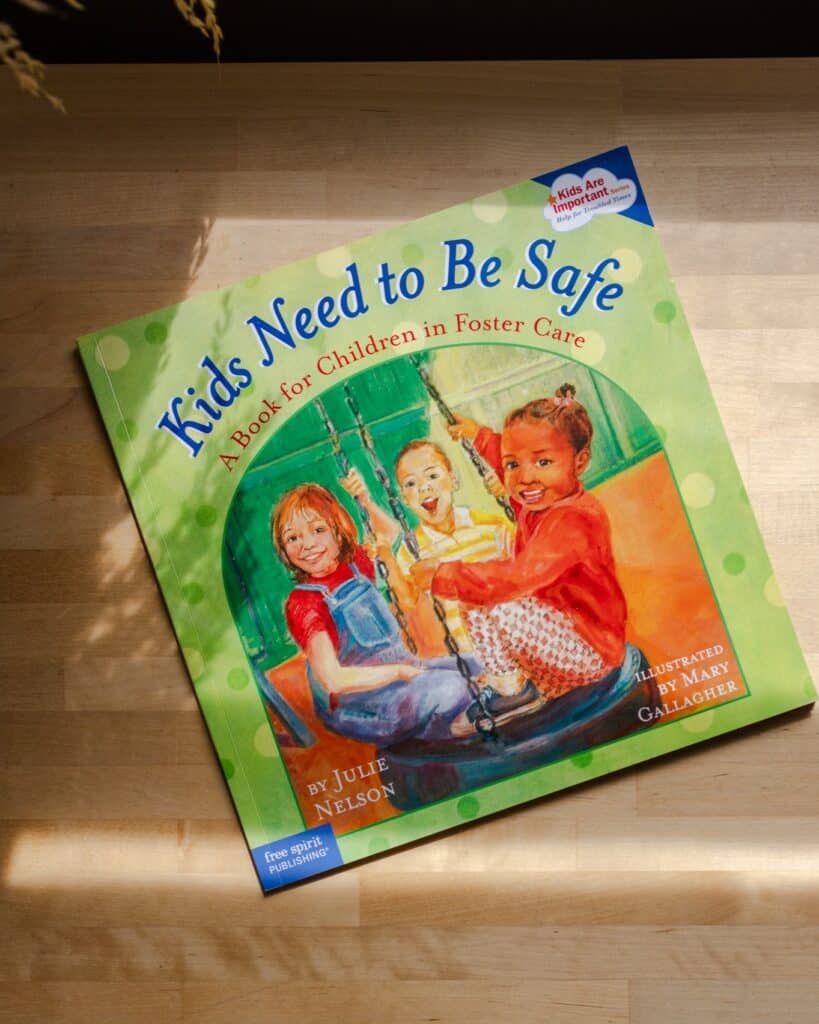
Julie Nelson writes with a clear, gentle voice built for the exact moment a child is trying to understand why they’re not living with their family right now. Kids Need to Be Safe answers that question honestly and without blame, reassuring children that foster care exists to keep them safe, not to punish them or their parents.
This book works well early in a placement, when a child’s biggest question is simply, “Why am I here?” It’s written for younger elementary-age children, though caregivers can adapt the language for kids on either side of that range.
Where to get:
Home for a While by Lauren Kerstein
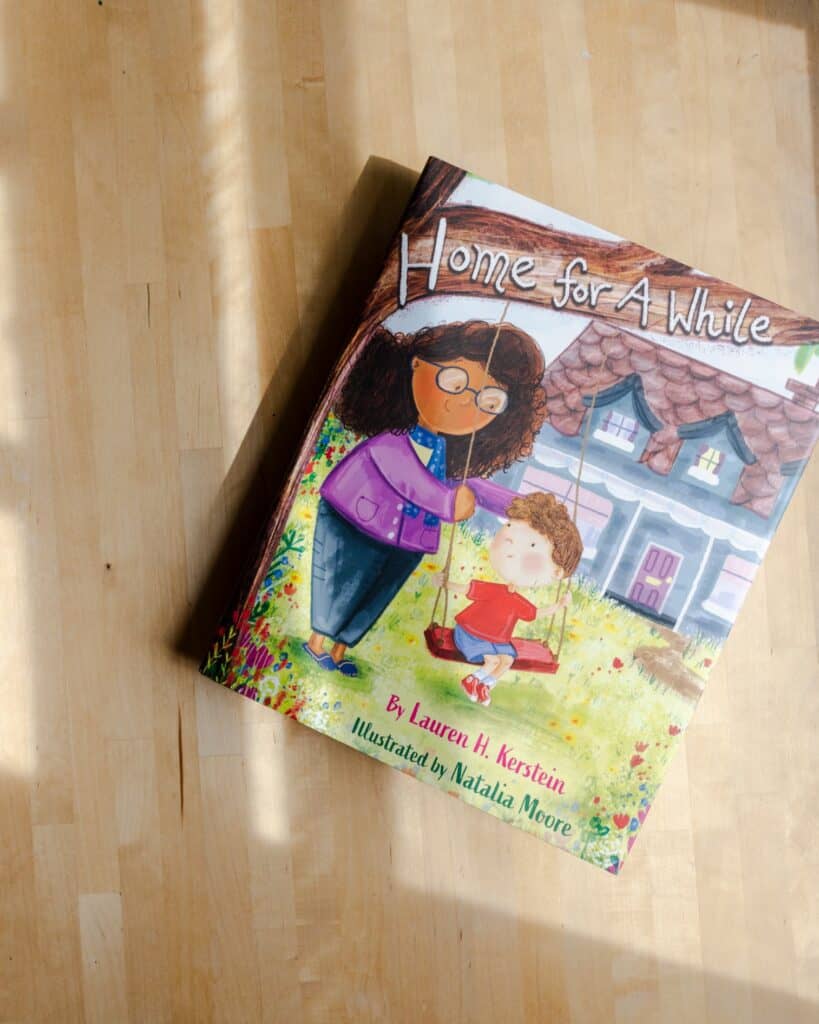
Lauren Kerstein brings a family therapist’s eye to Home for a While, which follows a foster family from a child’s arrival through the uncertainty of not knowing how long they’ll stay. Rather than avoiding that uncertainty, the book sits with it and shows a family choosing to love fully anyway.
This is a useful book partway into a placement, when the ambiguity of “How long will I be here?” starts to weigh on a child. It reads well for elementary-age children and holds real value for the foster or kinship caregivers reading it alongside them.
Where to get:
Maybe Days by Jennifer Wilgocki and Marcia Kahn Wright
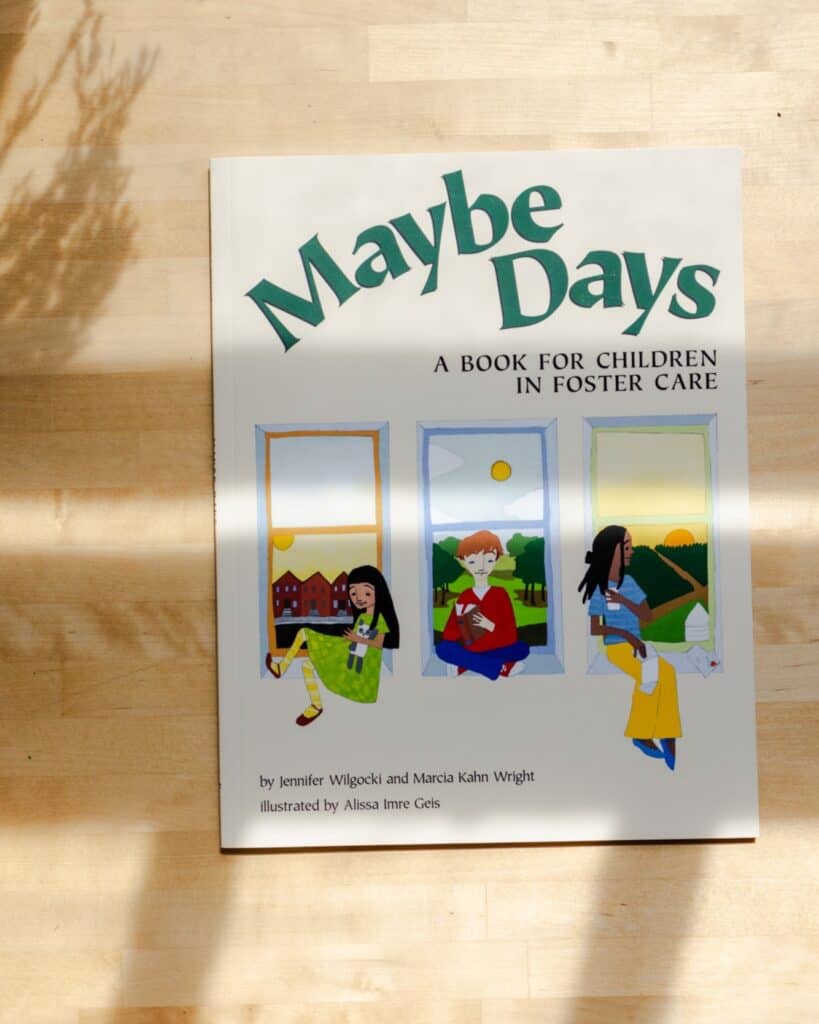
Jennifer Wilgocki and Marcia Kahn Wright both worked directly with children in foster care, and it shows. Maybe Days doesn’t pretend to have every answer. Instead, it gives voice to the in-between feelings, the not-knowing, the “maybe” that defines so much of a child’s experience in care, and tells them that’s a normal thing to feel.
This book is especially useful when a child is grappling with unresolved questions about custody, visits, or what comes next. It’s written for elementary-age children, and its honesty makes it a strong choice for a caregiver or caseworker looking to open a hard conversation gently.
Where to get:
How to Read These Books with a Child
A good book still needs the right moment and the right approach. When preparing to read from this list of best books for children in foster care, keep the following in mind:
- Choose a calm, unhurried time, not right before bed on a hard day or in the middle of a transition.
- Let the child lead. If they want to stop, skip ahead, or ask questions that veer off the page, follow them there.
- Resist the urge to explain too much. These books are built to open a door, not deliver a lecture.
- Expect to read some of them more than once. A child may take in something new each time.
None of these four books carry the full weight of what a child in foster care goes through, and this list isn’t exhaustive. But the right book, offered at the right time, can remind a child that their story is still being written. They don’t have to make sense of it alone.
Not everyone is called to foster or adopt, but we’re here to empower those who do. If you’re interested in learning more about foster care in your state, click the button below.
