
Key Takeaways
- Every September, National Child Awareness Month spotlights children’s charities, youth-serving organizations, and the needs of children at risk.
- The U.S. Senate has designated September as National Child Awareness Month every year since 2008, following a grassroots effort that began in Orange County, California.
- Federal data shows more than 532,000 children were confirmed victims of abuse or neglect in fiscal year 2024. Over 331,000 children were in foster care at the close of fiscal year 2025.
- Simple ways to get involved include mentoring, volunteering, donating to a children’s charity, becoming a foster parent, or helping a struggling family in your own ZIP code.
- For Others unites local governments, faith communities, nonprofits, businesses, and individuals to keep families together and end the child welfare crisis.

What is National Child Awareness Month?
Every September, backpacks come off closet shelves and school buses run their routes again. September is also the month the country sets aside to think seriously about kids, and about the organizations working on their behalf.
National Child Awareness Month began as a local campaign in Orange County, California, led by Festival of Children Foundation founder Sandy Segerstrom Daniels. In 2008, the U.S. Senate passed its first resolution recognizing the observance, and lawmakers have renewed it every year since.
The timing is deliberate. September is when parents, teachers, coaches, and neighbors are paying closest attention to children, which makes it the right moment to ask what kids in your community actually need.
The Numbers Behind Child Welfare Awareness
Awareness months work best when they’re grounded in facts. The federal picture is sobering.
Child protective services agencies received an estimated 4.4 million referrals in fiscal year 2024 involving roughly 7.7 million children, according to the U.S. Department of Health and Human Services’ Child Maltreatment 2024 report. More than 532,000 of those children were confirmed victims of abuse or neglect, and neglect accounted for the vast majority of cases.
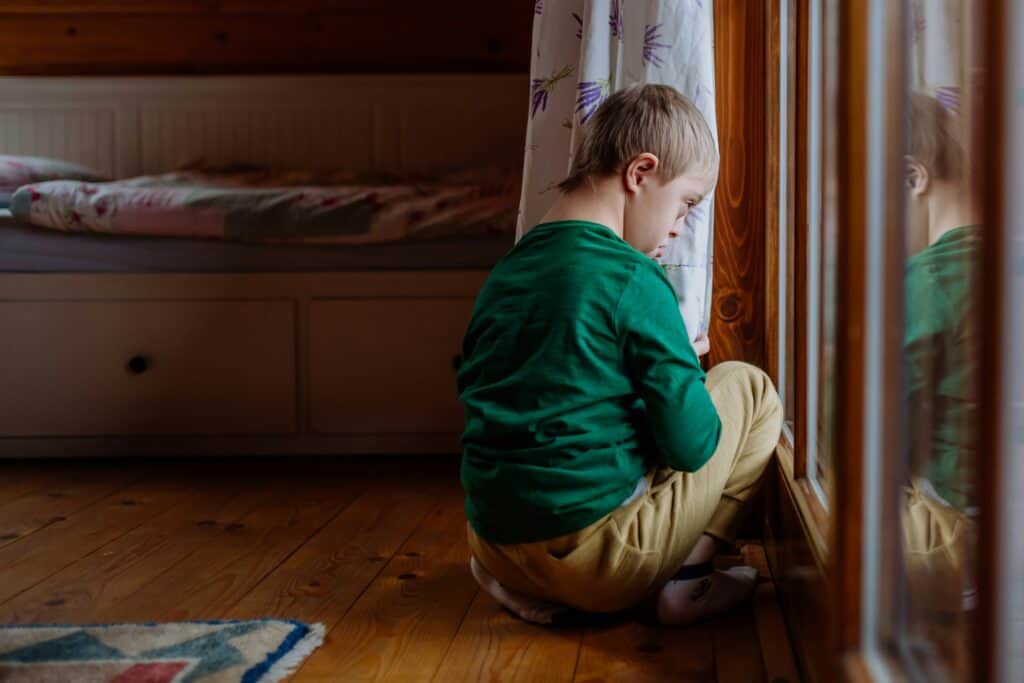
Foster care numbers tell a related story. About 331,747 children were in foster care at the close of fiscal year 2025, based on data collected by the Children’s Bureau. Additionally:
- Tens of thousands of children are legally free for adoption and still waiting for a permanent family.
- Thousands of teenagers age out of foster care each year, leaving the system as legal adults with no family to call their own.
- Many communities lack enough licensed foster families to place children near their schools, siblings, and friends.
The Centers for Disease Control and Prevention lists family economic hardship and social isolation among the conditions that raise the risk of child abuse and neglect, and strong social support networks among the ones that lower it. Those are problems neighbors can help solve before a case file is ever opened.
How to Get Involved During National Child Awareness Month
You don’t need a professional background in social work to make a difference this September. Consider one of these options:
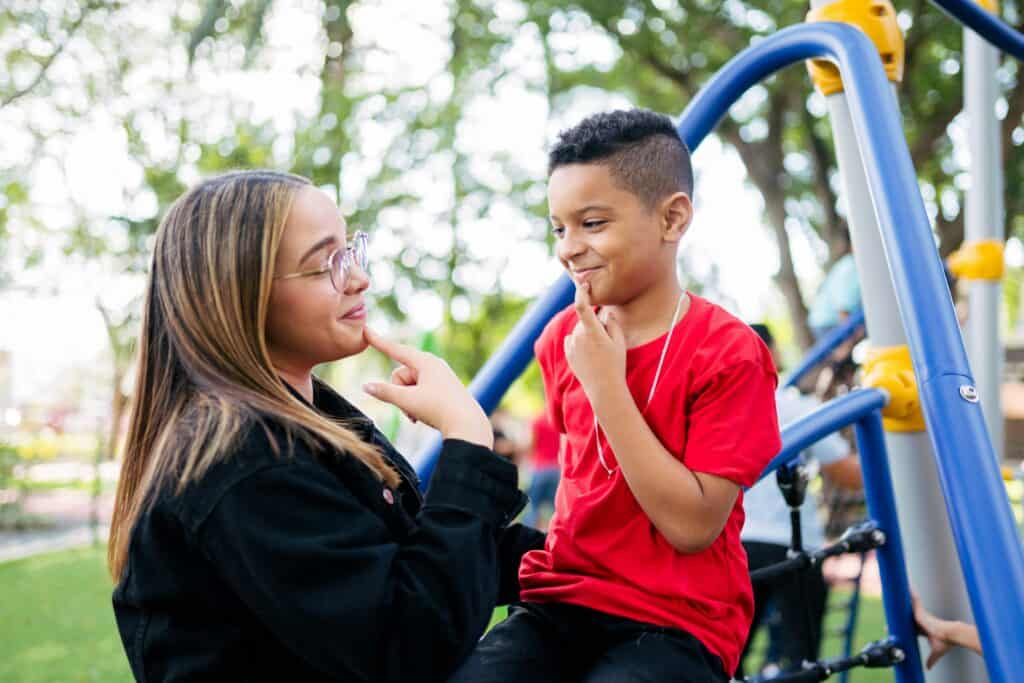
- Mentor a young person: Consistent adult relationships are among the strongest protective factors researchers have identified for kids facing adversity.
- Support a children’s charity: Give time, money, or supplies to an organization serving youth in your area.
- Learn about fostering or adoption: Information sessions can help you understand what fostering or adoption actually involves. Even if you don’t sign up, you will gain valuable insight into what families go through.
- Support a family in need: A ride, a meal, or help with a utility bill can keep a household intact.
- Advocate: Ask county and state leaders how they are funding prevention services and recruiting foster families.
For Others: Ending the Child Welfare Crisis Together
Awareness matters most when it turns into action, and that’s the work For Others does year-round.
For Others is a nonprofit that believes every child deserves a family where they can thrive. Rather than duplicating existing programs, we strengthen the ones already on the ground, bringing local governments, faith communities, nonprofits, service providers, businesses, and everyday people to the same table.
Our Well-Being Support Ecosystem™ focuses on three priorities: keeping families together before the government needs to step in, recruiting and retaining foster families in the same neighborhoods children already know, and coordinating service providers so no family falls through the cracks.
Join us today by taking action in your state!
